Where Homeowners Should Draw the Line: Safe DIY vs. Professional HVAC Maintenance in Winter Park
Most Winter Park homeowners we meet have already made one of two mistakes — they either attempted an HVAC repair that ended up costing them more, or they called a technician for something they could have easily handled themselves. After servicing hundreds of homes across Winter Park, we've learned exactly where that line falls. This guide shares what we see in the field every day, so you know precisely which tasks protect your system when you DIY them — and which ones protect your wallet when you don't.
TL;DR Quick Answers
Winter Park homeowners can safely handle filter changes, condenser clearance, drain line flushes, thermostat battery replacements, and weatherstripping inspections. Everything else requires a licensed technician.
Do it yourself:
Replace air filters every 30 days
Clear debris from around the outdoor condenser unit
Flush condensate drain lines with diluted vinegar
Replace thermostat batteries seasonally
Inspect and replace weatherstripping
Always call a licensed technician:
Refrigerant handling or recharging
Electrical component repairs — capacitors, contactors, wiring
Ductwork repairs or modifications
Refrigerant line work
Annual system tune-ups and inspections
The bottom line: In Winter Park's year-round climate, your HVAC system never gets an off-season — which means the cost of crossing the DIY line compounds faster here than in most U.S. markets. When in doubt, call a licensed professional. Verify every technician's credentials at myfloridalicense.com before authorizing any work.
Top Takeaways
Some heating, ventilation, and air conditioning tasks belong on your list — others belong on ours. Filter changes, condenser clearance, and drain line flushes are yours to own. Refrigerant, electrical, ductwork, and annual tune-ups require a licensed technician. No exceptions.
The most expensive mistakes aren't dramatic — they're invisible. Undercharged refrigerant. Separated duct connections. Dirty evaporator coils. None announce themselves. All quietly drain efficiency and inflate your energy bill for months before you notice. Improper HVAC work can cut your system's efficiency by up to 30 percent. That gap doesn't show up as a failure. It shows up on your energy bill — every single month — until a licensed technician finds it and fixes it.
Florida law requires every HVAC technician in your home to hold an active state license. Verify before you authorize. The Florida DBPR lookup tool confirms any contractor's credentials in under a minute. Winter Park's climate raises the stakes. No off-season means no margin for deferred maintenance or misplaced DIY attempts. The cost of crossing the line compounds faster here than almost anywhere else in the country.
The DIY Side of the Line: What Winter Park Homeowners Can Handle
Some routine HVAC maintenance tasks are straightforward, low-risk, and genuinely better handled by you. Staying on top of these keeps your system running efficiently between professional visits.
Replace your air filter regularly. This is the single highest-impact task any homeowner can do. In Winter Park homes, we typically recommend checking filters every 30 days — humidity and pollen levels here clog filters faster than most manufacturers' timelines suggest. You can easily find a replacement HVAC AC furnace air filter online to keep your air clean. Many residents prefer a MERV 11 allergen defense replacement for better indoor air quality.
Clear debris from your outdoor unit. After storms or windy days, remove leaves, branches, and buildup from around your condenser. Keep at least two feet of clearance on all sides. Check and clear condensate drain lines. Florida's humidity makes drain line clogs a common culprit behind water damage and system shutdowns. A simple flush with diluted vinegar every few months goes a long way.
Replace thermostat batteries. A surprisingly common cause of "HVAC failure" calls we receive. Check them seasonally. Inspect and replace weatherstripping. Gaps around doors and windows force your system to work harder. It's an easy fix with a measurable impact on your comfort and energy bill. Understanding how a clean air filter improves efficiency can help you realize how much these small tasks matter.
The Professional Side of the Line: When to Call a Technician
These are the jobs where good intentions can quickly become expensive problems. In our years servicing Winter Park homes, these are the tasks we most commonly see go wrong after a DIY attempt.
Refrigerant handling or recharging. This requires EPA certification for a reason. Improper handling damages your system and poses real safety risks — and it's illegal without licensing. Electrical component repairs or replacements. Capacitors, contactors, and wiring inside your air handler carry serious voltage. This isn't a YouTube tutorial situation.
Ductwork repairs or modifications. Poorly sealed or incorrectly modified ductwork is one of the leading causes of inefficiency we find in Winter Park homes. What looks like a simple fix often hides bigger issues only a trained eye catches. If your system is old, you might need an online estimate for AC replacement to see if a new unit is more cost-effective.
Refrigerant line repairs. Any work involving your system's refrigerant lines requires specialized tools, certification, and experience with your specific equipment type. Annual system tune-ups. A professional tune-up isn't just a cleaning — it's a full system evaluation that catches small issues before they become mid-summer emergencies. We highly recommend annual preventative AC maintenance service in Winter Park to ensure your system survives the Florida heat.
The Gray Zone: Tasks That Depend on Your Comfort Level
A few maintenance items fall somewhere in the middle — manageable for confident, experienced homeowners, but worth a professional call if you have any doubt.
Cleaning evaporator and condenser coils. Doable with the right coil cleaner and care, but easy to damage if you're not familiar with your specific system's configuration. Resetting tripped breakers related to your HVAC. A one-time trip may be nothing. A pattern of tripped breakers means something is wrong that needs diagnosis — not just resetting.
Sealing minor duct leaks with mastic or foil tape. Accessible leaks in visible ductwork are fair game. Anything inside walls, attics, or crawl spaces belongs to a professional. For those looking to upgrade their indoor air quality, installing UV light systems can be a great addition, though it often requires professional help.
Why the Line Matters More in Winter Park
Central Florida's climate creates HVAC demands that most generic DIY guides don't account for. Year-round humidity accelerates wear on components, promotes mold growth in drain lines and air handlers, and puts consistent stress on systems that rarely get a true off-season.
When we service homes in Winter Park, we frequently find deferred maintenance that started as a small DIY misstep — an improperly cleaned coil, a drain line flushed with the wrong solution, or ductwork patched in a way that restricted airflow. The repair cost is almost always higher than a preventive service call would have been. Knowing where your comfort zone ends isn't a limitation — it's how smart homeowners protect their investment and keep their families comfortable year-round.
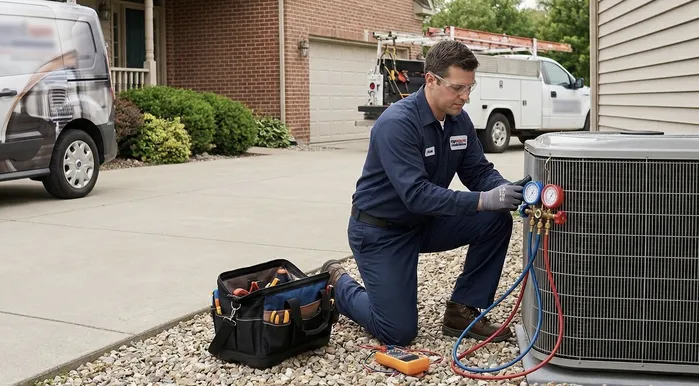
"In our years servicing Winter Park homes, the most expensive HVAC calls we respond to almost always trace back to one moment where a well-meaning homeowner crossed the line from maintenance into repair — knowing the difference before you pick up a tool is the most valuable thing we can teach you."
What Every Winter Park Homeowner Needs Before Touching Their HVAC System
We've pulled together the seven resources we point our own customers to when they want to understand exactly where the DIY line falls — straight from the federal and state authorities who set the rules.
Know the Law Before You Touch Refrigerant U.S. EPA – Section 608 Technician Certification Requirements. In our years servicing Winter Park homes, refrigerant work is the single most dangerous line we see homeowners cross — and it's also a federal one. The EPA's official resource explains exactly why unlicensed refrigerant handling isn't just risky, it's illegal. https://www.epa.gov/section608/section-608-technician-certification-requirements
The Government's Own List of Safe DIY AC Maintenance Tasks U.S. Department of Energy – Air Conditioner Maintenance. This is the resource we wish every homeowner would read before their first DIY attempt. The DOE clearly separates the maintenance tasks you can safely own from the ones that need a trained set of hands. Whether you are using 16x25x1 air filters or 14x20x1 air filters, regular replacement is key. https://www.energy.gov/energysaver/air-conditioner-maintenance
The Official Checklist That Makes the DIY Line Impossible to Miss ENERGY STAR – HVAC Maintenance Checklist. We reference this checklist ourselves when walking customers through what a professional tune-up actually covers. It makes the boundary between homeowner maintenance and licensed contractor work crystal clear. https://www.energystar.gov/saveathome/heating-cooling/maintenance-checklist
Diagnose the Problem Before You Decide Who Should Fix It U.S. Department of Energy – Common Air Conditioner Problems. One of the most valuable things we help customers do is identify what's actually wrong before they either grab a wrench or pick up the phone. This DOE resource helps you tell the difference between a clogged drain line you can flush yourself and a refrigerant issue that needs a licensed technician immediately. https://www.energy.gov/energysaver/common-air-conditioner-problems
The Reason We Never Let Homeowners Near HVAC Electrical Components U.S. Consumer Product Safety Commission – Electrical Safety. We say it on every service call: capacitors, contactors, and air handler wiring are not DIY territory. This federal safety resource documents the real fire and injury risks tied to improperly handled HVAC electrical components. It is as important as knowing why AC installation services matter for the longevity of your system. https://www.cpsc.gov/safety-education/safety-guides/home/electrical-safety
Where Your DIY Effort Actually Moves the Needle on Energy Costs ENERGY STAR – Heat & Cool Efficiently. Not all DIY HVAC maintenance delivers equal results. This ENERGY STAR guide helps you focus your effort on the tasks that measurably lower your energy bill. Using a high-quality dust defense pleated air filter can also contribute to system efficiency. https://www.energystar.gov/saveathome/heating-cooling
Before You Let Any HVAC Technician Into Your Home, Check This First Florida DBPR – Air Conditioning Contractor License Verification. Verify your contractor's license before a single repair begins. Florida law requires every HVAC technician working in your home to hold an active state license, and this official DBPR lookup tool lets you confirm it in under a minute. https://www2.myfloridalicense.com/
Supporting Statistics
We've seen these numbers play out in real Winter Park homes. Here's what the federal data actually means when you're standing in front of an HVAC system that isn't performing the way it should.
Nearly Half of Every Dollar You Spend on Energy Goes to Heating and Cooling Nearly half of the energy used in your home goes to heating and cooling, according to ENERGY STAR (U.S. EPA).
Your HVAC decisions carry more budget weight than almost any other home maintenance choice.
A DIY mistake can quietly inflate your energy bill for months.
If you need a new unit, look for an easy HVAC system replacement to save money in the long run.
Improper HVAC Work Can Reduce Your System's Efficiency by Up to 30 Percent Improper installation can reduce system efficiency by up to 30 percent, costing you more on your utility bills and possibly shortening equipment life.
Most homeowners have no idea their system is operating that far below rated efficiency.
The culprit is often a previous repair that crossed the professional line.
Selecting the best MERV rating for a residential home is a great way for a DIYer to positively impact efficiency.
In a Typical Home, 20 to 30 Percent of Conditioned Air Is Already Being Lost Through the Duct System In a typical house, about 20 to 30 percent of air is lost due to leaks, holes, and poorly connected ducts.
Central Florida systems run almost year-round, meaning duct stress accumulates faster.
Most ductwork in Winter Park homes runs through unconditioned attic space where temperatures can exceed 130 degrees.
This is not a DIY diagnosis; it requires professional inspection.
The Line Isn't Just About Safety — It's About Knowing Your Home
Most guides draw the DIY line at safety. Don't touch refrigerant. Don't work with high-voltage components. Leave the ductwork alone. But after servicing hundreds of homes across Winter Park, our honest opinion is this: the real line isn't just about what's dangerous — it's about what's invisible.
What "invisible" looks like in a real Winter Park home:
Refrigerant that's been slowly undercharged for months.
A duct connection in the attic that's been partially separated for two years.
An evaporator coil with buildup that's quietly robbing efficiency every single day.
None of these show up as obvious failures. They show up as slightly higher energy bills, rooms that never quite reach the thermostat setting, or a system that runs longer than it should. Recognizing the difference between a system that's functioning and one that's functioning correctly requires pattern recognition that only comes from professional experience. You can start your journey by learning how to measure intake vents to ensure you always have the right filter size on hand.
Frequently Asked Questions
Q: What HVAC maintenance tasks can Winter Park homeowners safely handle themselves?
A: Tasks that make the biggest difference include:
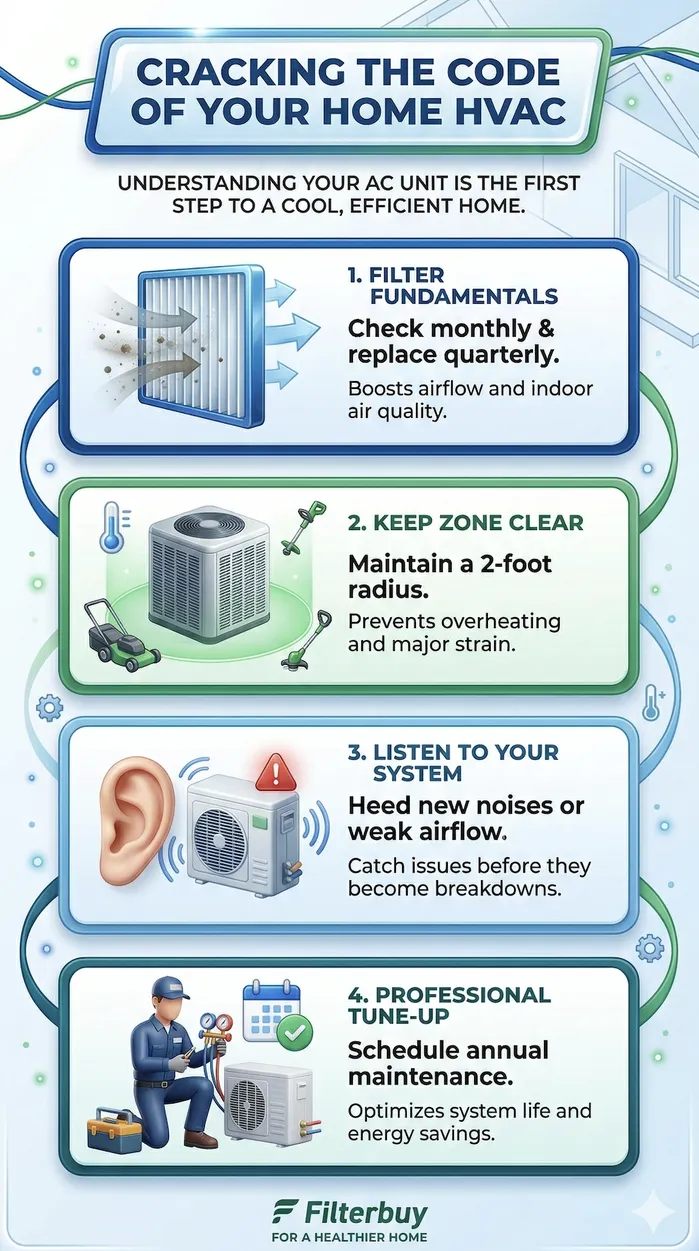
Replace your air filter every 30 days. You can buy a pleated MERV 11 allergen defense at many major retailers.
Clear your outdoor condenser unit to maintain two feet of clearance.
Flush your condensate drain line with diluted vinegar every few months.
Replace thermostat batteries seasonally.
Inspect and replace weatherstripping regularly.
Q: What HVAC tasks should Winter Park homeowners never attempt themselves?
A: These tasks require a licensed technician — no exceptions:
Refrigerant handling or recharging.
Electrical components like capacitors and contactors.
Ductwork modifications.
Annual system tune-ups.
Q: Why is refrigerant handling considered off-limits for unlicensed homeowners in Florida?
A: It's federally regulated under the Clean Air Act, and the damage is often invisible until it's too late. An improperly charged system quietly accelerates compressor wear. By the time the performance drop is obvious, serious damage is often already done to the most expensive component in your system.
Q: How does Winter Park's climate affect where homeowners should draw the DIY line?
A: Your system never fully rests here, meaning component wear accelerates. Most ductwork runs through unconditioned attic space where temperatures exceed 130 degrees. A leaky duct isn't just losing air — it's actively pulling extreme heat into your system. For those working from home, having an air filter for home offices can ensure a productive and healthy environment.
Q: How can Winter Park homeowners verify that an HVAC technician is properly licensed before authorizing work?
A: Visit myfloridalicense.com and search by the contractor's name or license number. Confirm the status is "current and active." This protects you legally and ensures the technician has met professional standards.
Ready to Stop Guessing Where Your DIY Line Falls? You now know exactly which HVAC tasks belong on your weekend list and which ones belong on ours. Whether you need a 16x20x1 air filter or a 2-pack of replacement filters, staying on top of maintenance is vital. Contact Filterbuy HVAC Solutions today for a no-pressure consultation with a licensed local technician who knows your home and your climate.
Learn more about HVAC Care from one of our HVAC solutions branches…
Filterbuy HVAC Solutions - Miami FL - Air Conditioning Service
1300 S Miami Ave Apt 4806 Miami FL 33130
(305) 306-5027
https://maps.app.goo.gl/Ci1vrL596LhvXKU79